Information
Welcome to Jason Sawyer Architectural Photography's portfolio. Explore a curated selection of commercial, exterior, interior, and drone photography, highlighting shapes, colors, and textures. Our goal is to show the story and visual flow of our projects.
View my latest work
Discover my collection of architectural projects. Each piece showcases our attention to shapes, color and textures while delivering a story line and flow of the picture.
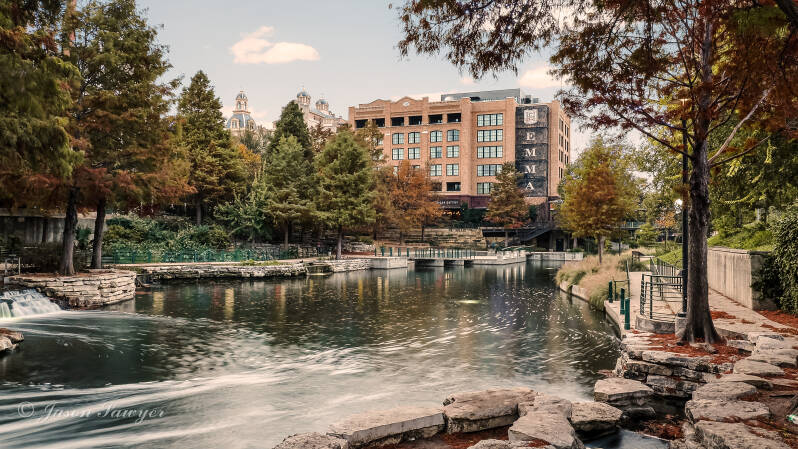
The Emma Hotel
- Original Structure:
The building that is now Hotel Emma was originally constructed as part of the Pearl Brewery in 1894. The brewery complex was designed by Chicago architect August Maritzen in a Victorian industrial style, featuring brickwork, arched windows, and decorative flourishes typical of late-19th-century commercial architecture. - Transformation to Hotel:
The adaptive reuse project to convert the brewery into a hotel was led by the acclaimed New York-based firm Roman and Williams (founded by Robin Standefer and Stephen Alesch) in partnership with local Texas firm Three: Living Architecture. Their approach respected the building’s industrial heritage, preserving original machinery, brick walls, and architectural details, while introducing contemporary luxury and comfort. The design incorporates historical artifacts, such as brewing tanks and industrial beams, into the hotel’s public spaces and rooms.

The San Antonio Brewing Association
The San Antonio Brewing Association, also known as the San Antonio Brewing Association (SABA), was a significant brewery in San Antonio, Texas, with a long and storied history. Here’s an overview of its history:
Origins and Foundation
- Founded: The San Antonio Brewing Association was established in 1883 by a group of local businessmen, including William Menger and J.B. Behloradsky.
- The brewery was built on the site of an earlier brewery, the Lone Star Brewery, and began operations producing beer for the local market.
Growth and Expansion
- The brewery grew rapidly and became one of the largest in Texas. By the late 1800s and early 1900s, it was producing a variety of beers, including lagers and ales.
- In 1895, Otto Koehler became the manager and later the president. Under his leadership, the brewery modernized and expanded production capacity.
- In 1910, the brewery completed a new, state-of-the-art facility on the San Antonio River, which became an architectural landmark. This complex is now known as the Lone Star Brewery building.
Prohibition Era
- During Prohibition (1920–1933), the San Antonio Brewing Association survived by producing non-alcoholic beverages, near beer, and ice.
- After Prohibition ended, the brewery quickly resumed full-scale beer production.
Name Change and Later Years
- In 1933, following the repeal of Prohibition, the brewery adopted the brand name Lone Star Brewing Company to reflect its flagship beer.
- The Lone Star brand became famous throughout Texas, earning the nickname "The National Beer of Texas."
- The company continued to operate successfully through the mid-20th century.
Decline and Legacy
- By the late 20th century, the brewery faced increased competition from national brands and financial difficulties.
- The original brewery complex ceased operations in 1996.
- The iconic Lone Star brand is still produced today (now owned by Pabst Brewing Company), but not at the original San Antonio site.
Historical Significance
- The San Antonio Brewing Association played a crucial role in San Antonio’s industrial and cultural history.
- The former brewery buildings are now part of the National Register of Historic Places and are a notable example of early 20th-century industrial architecture in Texas.
Summary:
The San Antonio Brewing Association (later Lone Star Brewing Company) was a pioneering brewery, central to Texas beer history, remembered for its iconic beers and landmark brewery, and its resilience through Prohibition and changing times.

The Tobin Center
The Tobin Center for the Performing Arts is a major performing arts venue located in San Antonio, Texas. Its history is closely tied to the city’s commitment to cultural revitalization and the adaptive reuse of historical architecture.
Origins and Construction: The Tobin Center occupies the site of the former San Antonio Municipal Auditorium, a landmark built in 1926 and dedicated to the memory of American soldiers who died in World War I. The auditorium was an important cultural hub for decades, hosting concerts, performances, and civic events. However, by the early 2000s, the building had become outdated and was no longer able to meet the needs of modern performances.
Transformation and Modernization: Recognizing the need for a state-of-the-art performing arts facility, community leaders and philanthropists—including Robert L.B. Tobin, whose foundation contributed significantly—spearheaded a campaign to transform the Municipal Auditorium into a modern venue. After extensive fundraising and planning, construction began in 2011.
The design, led by the architecture firm LMN Architects, preserved the historic façade while creating a contemporary interior. The new center features a main performance hall (the H-E-B Performance Hall), a flexible studio theater, and an outdoor performance plaza.
Opening and Legacy: The Tobin Center for the Performing Arts officially opened in September 2014. Since then, it has served as home to the San Antonio Symphony, Opera San Antonio, Ballet San Antonio, and numerous other local and touring artists and organizations. The center has become a focal point for the city’s cultural life, offering a wide range of performances and educational programs.
Significance: The Tobin Center is celebrated for blending historic preservation with cutting-edge design and for revitalizing San Antonio’s downtown arts scene. It stands as a testament to community collaboration and the enduring importance of the performing arts in the city’s heritage and future.
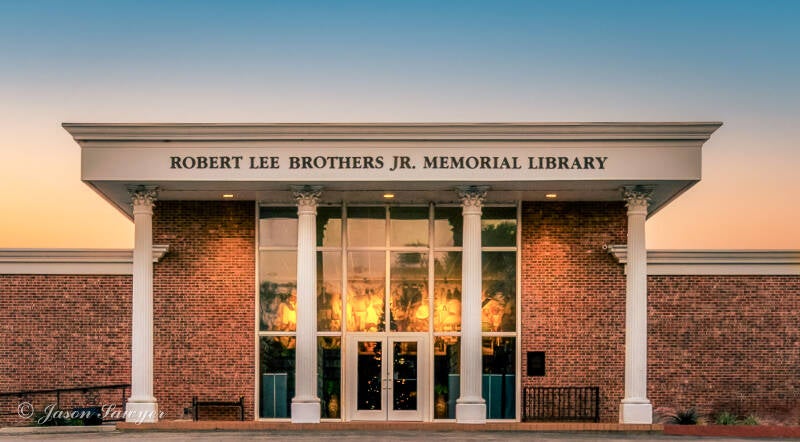
Robert Lee Brothers JR. Memorial Library
The Robert Lee Brothers Memorial Library, commonly referred to as the Robert Lee Library, is the public library serving Gonzales, Texas. Here’s a concise history:
Origins and Naming:
The library is named in honor of Robert Lee Brothers, a local philanthropist and businessman whose family played a significant role in the community. The Brothers family contributed funds and support for the establishment and maintenance of the library.
Early Development:
- The library was first established in the early 20th century to serve the educational and informational needs of Gonzales residents.
- It began as a small collection of books, often housed in temporary or shared spaces within the city.
Growth and Expansion:
- Over the decades, the library expanded its collection and services, moving into dedicated facilities.
- Community support, donations, and local government funding allowed the library to grow, adding children’s programs, community events, and public access computers.
Present Day:
- The Robert Lee Brothers Memorial Library is a cultural and educational center for Gonzales.
- It provides lending services, digital resources, public programming, and serves as a historical repository for local documents and archives.
- The library is a member of regional and state library networks, ensuring residents have access to a wide range of materials.
Significance:
The library stands as a testament to the Brothers family’s commitment to Gonzales and continues to play an essential role in the community’s intellectual and cultural life.
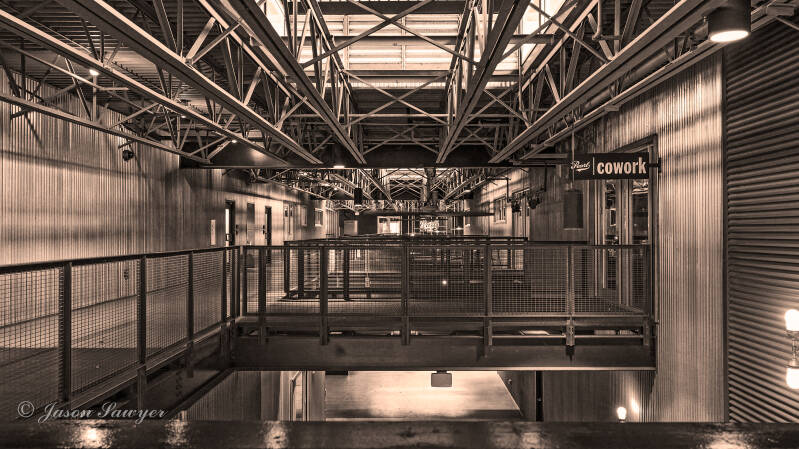
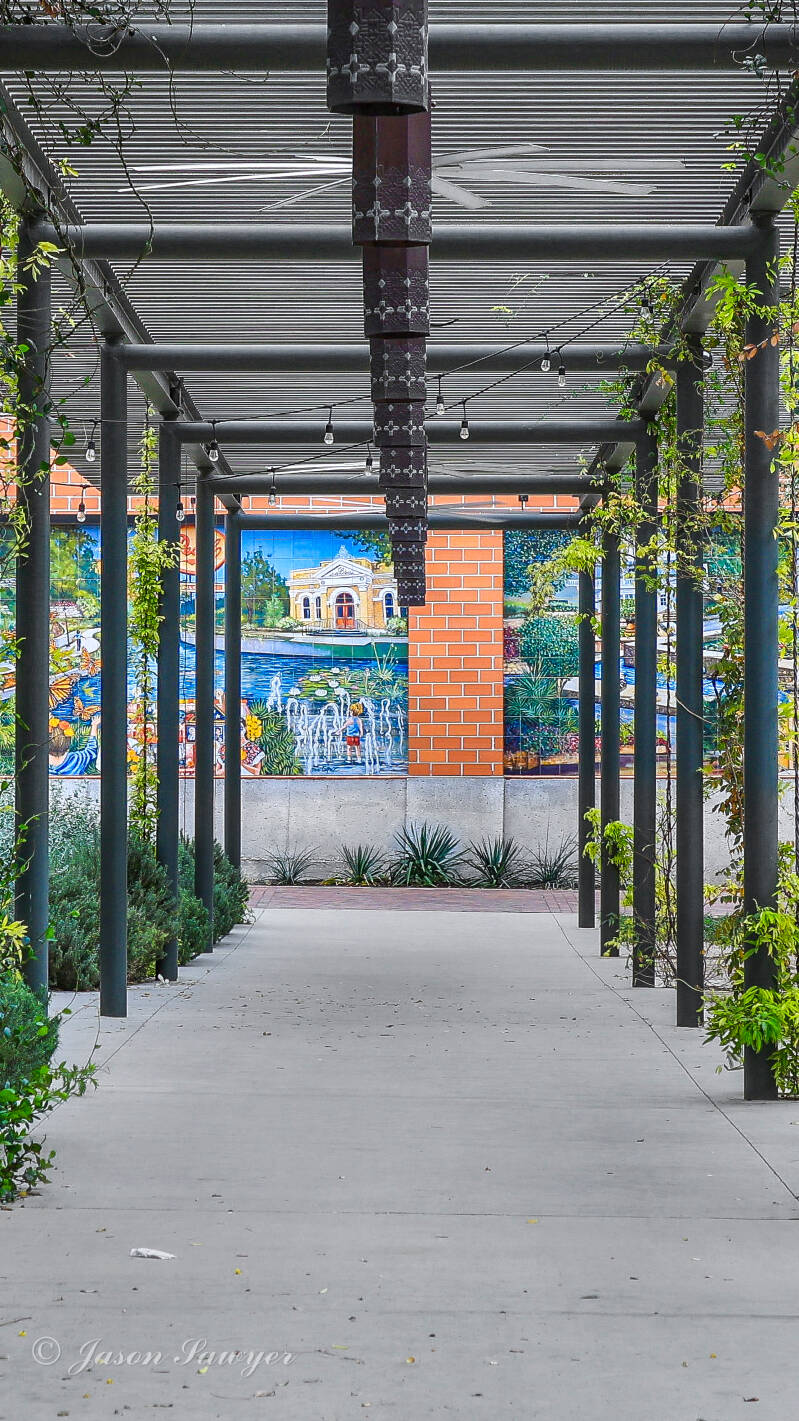
The Pearl District
The Pearl District in San Antonio is a vibrant neighborhood known for its blend of historic charm and modern revitalization. Here’s a concise history:
Origins as Pearl Brewery (1883–2001):
- The Pearl District’s history centers on the Pearl Brewery, founded in 1883 as the City Brewery and later renamed after its flagship beer, “Pearl.”
- The brewery grew to become one of Texas’s largest, operating for more than a century and weathering Prohibition by producing soft drinks and other products.
- The Pearl Brewery closed in 2001, ending an era but leaving behind a complex of historic buildings and industrial infrastructure.
Revitalization and Redevelopment (2001–present):
- After the brewery’s closure, Silver Ventures, a San Antonio-based investment firm, purchased the 22-acre site in 2002.
- Over the next two decades, the area was transformed into a mixed-use district combining historic preservation with new construction.
- The old brewery buildings were repurposed into shops, restaurants, offices, and apartments while retaining their architectural character.
- The area became home to the Culinary Institute of America San Antonio campus in 2010, further cementing its reputation as a food and culture destination.
Modern Pearl District:
- Today, the Pearl District is a lively urban neighborhood featuring restaurants, boutiques, a weekly farmers market, public events, and green spaces along the San Antonio River.
- The Hotel Emma, housed in the former brewery’s historic structure, is a centerpiece of the development.
- The district is known for blending San Antonio’s industrial heritage with a modern, walkable lifestyle.
Significance:
The Pearl District is widely seen as a model for adaptive reuse and urban renewal in Texas, preserving San Antonio’s history while creating a destination for locals and visitors alike.
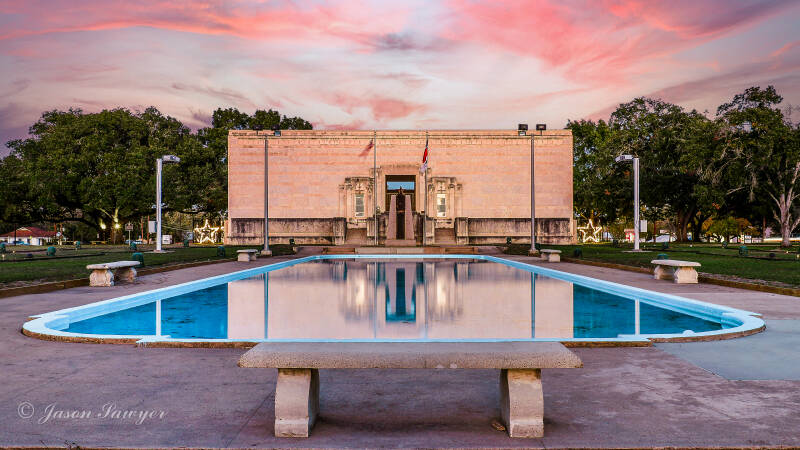
The Gonzales Memorial Museum
The Gonzales Texas Museum, officially known as the Gonzales Memorial Museum, is a significant historical site located in Gonzales, Texas. It was constructed as a tribute to the city's pivotal role in Texas history, particularly during the Texas Revolution.
Origins and Purpose
The museum was built in the late 1930s as part of the Texas Centennial celebrations, which marked 100 years since Texas gained independence from Mexico. Funded by the Works Progress Administration (WPA), the museum was dedicated in 1937. Its primary purpose is to commemorate the "Come and Take It" incident and the Battle of Gonzales, which is famously known as the first military engagement of the Texas Revolution in 1835.
Architecture
The Gonzales Memorial Museum is noted for its distinctive Art Deco architectural style, popular during the era of its construction. The building features a domed rotunda, stonework, and commemorative plaques, as well as a reflecting pool and landscaped grounds that contribute to its historic atmosphere.
Collections and Exhibits
The museum houses a wide array of artifacts related to Gonzales and Texas history, including:
- The famous "Come and Take It" cannon, which played a central role in the Battle of Gonzales.
- Documents, weapons, uniforms, and other memorabilia from the Texas Revolution.
- Exhibits about the original settlers of Gonzales and their contributions to Texas' fight for independence.
- Artifacts from later periods in Gonzales' history, illustrating the city's ongoing development.
Community Role
Beyond its function as a museum, the Gonzales Memorial Museum serves as an educational resource and a venue for community events. It is an essential stop for visitors tracing the story of Texas independence and offers insights into both local and statewide history.
Legacy
The museum stands as a symbol of Gonzales' enduring place in the story of Texas. It preserves the memory of the town's citizens who played a crucial role in the state's fight for freedom and continues to inspire pride and interest in Texas heritage.

Hire Jason Sawyer
Let's collaborate to showcase the essence of your designs through compelling visuals. Contact me to discuss your project's unique needs.